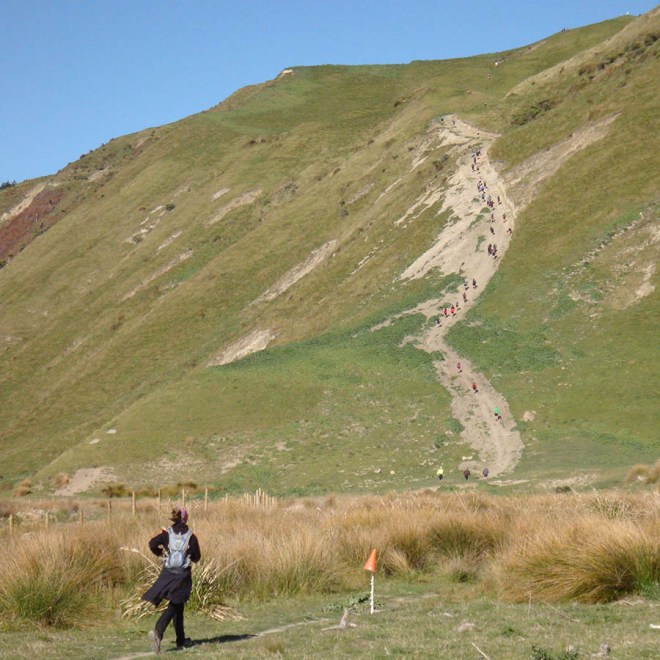
Running hills are a pain in the butt for most of us and I’ll be damned if I would suddenly start doing hill repeats of any kind. In my world I have two choices: either make peace with walking all hills, always, or try to slowly trot to the top. Running hills, for me, is a contradiction in terms.
Admittedly I do walk most hills, especially the really steep ones. But as we know, hills make you strong so jogging up is definitely the better option. I will also acknowledge that the biggest gain in running hills is mental achievement, which in itself makes a massive difference in your perceived fitness levels.
As an average or slow runner, I’m as mentioned not in the market for hill repeats or hill training. I think you have to be able to run up a hill first before you can try to repeat it! If you can’t get up the blooming hill in the first place, how are you going to practise getting faster?
So here’s my 2cents worth of advice: the only way I can get myself up and over a hill is to just take it really really easy. Mimic the running action, but shorten your stride significantly. The aim is not to go out of breath or exert yourself to the point of no return. Use the same amount of effort as you would on the flat, keep your breathing and running rhythm the same, but progress s-l-o-w-l-y up the hill. When you get to the top, you should be able to continue running, while gradually increasing your stride length again to normal.
Hills should literally be taken in your stride. The confidence boost from getting to the top while still feeling okey, is phenomenal. Once you realise you can do it, hills are not so daunting and dreadful anymore. The key is to take it easy, really easy, even if it means running slower than what you could walk up a hill. The end result is you ran up the hill and didn’t succumb to walking. If you keep on doing this with every hill you encounter, it will automatically get easier! That I can vouch for, because hills are the necessary evil that makes you strong.
Now go out and tackle those hills head on with confidence. You can do it! 🙂

 When it comes to running, I like to keep things simple. This approach got me over many marathon finish lines, so if you just want to finish, relatively comfortably (not that the marathon distance is comfortable by any means), this might help. I’m not an official trainer and I’m not a professional, but rather just a normal person who likes to run. I think that setting goals that make you giggly, or scare you a little, is good! Continue reading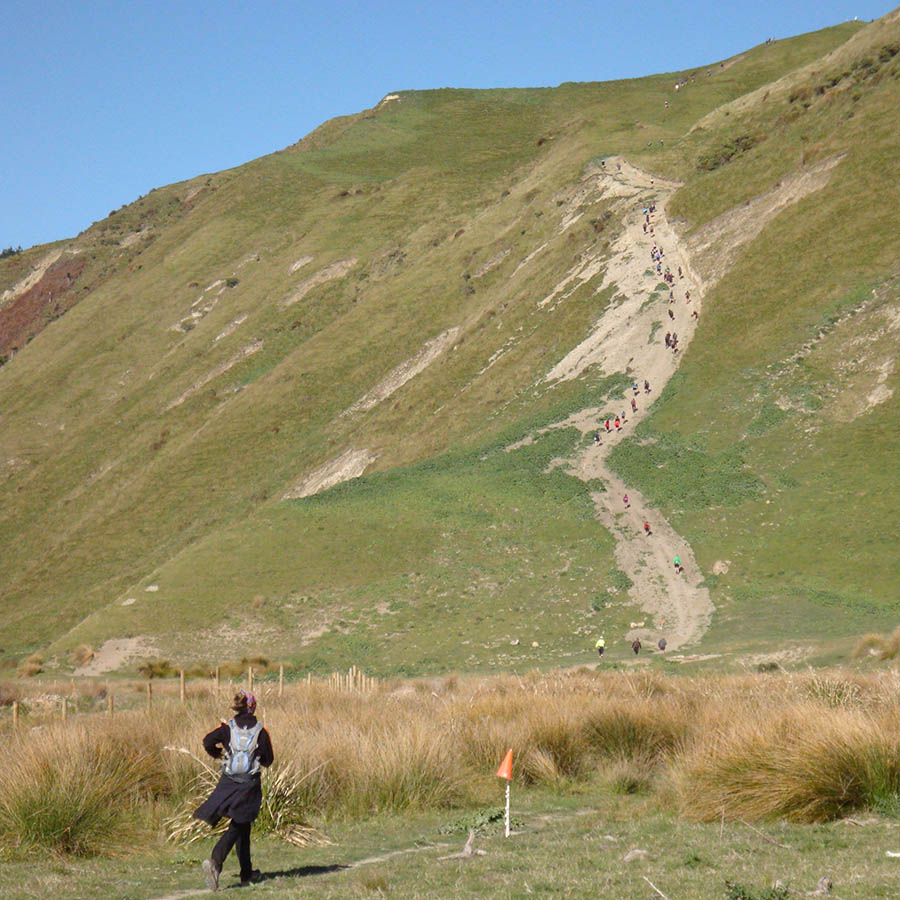

 Jog around the Blog